Project Details
Cornell university department of architecture
b.arch second year, FALL 2024
Arch 2101: DESIGN III Architectural Interfaces
INSTRUCTOR: Val Warke
This is part 3/3 of a continuous project from architectural interfaces.
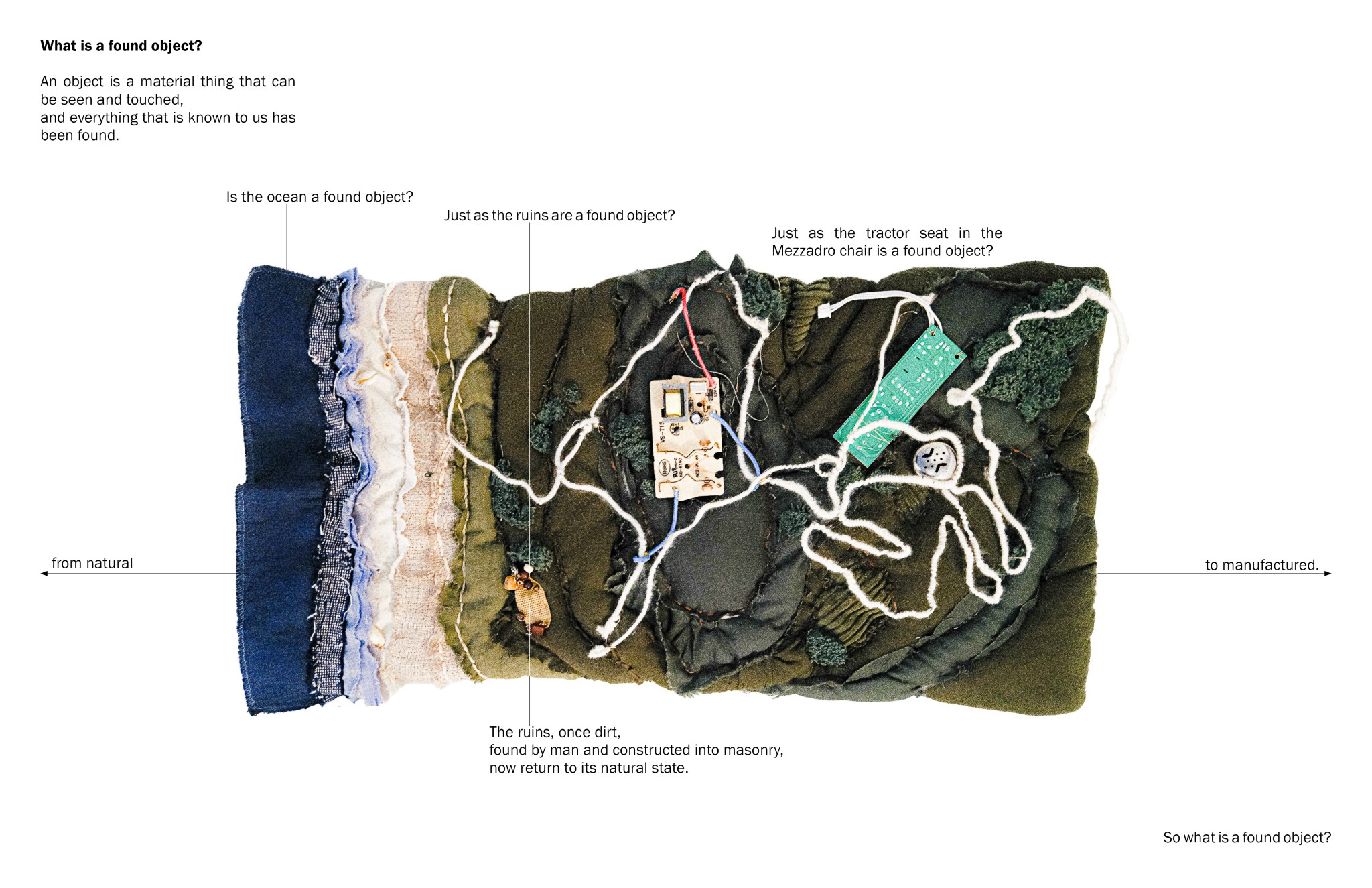
What is a found object? What defines conservation? How can architecture sustain community and ecosystem alike? Situated in Aguadilla, Puerto Rico, this project explores the intersection of bat conservation, sustainable guano harvesting, and Indigenous narratives—transforming architecture into a medium for education, ecological stewardship, and communal dialogue.
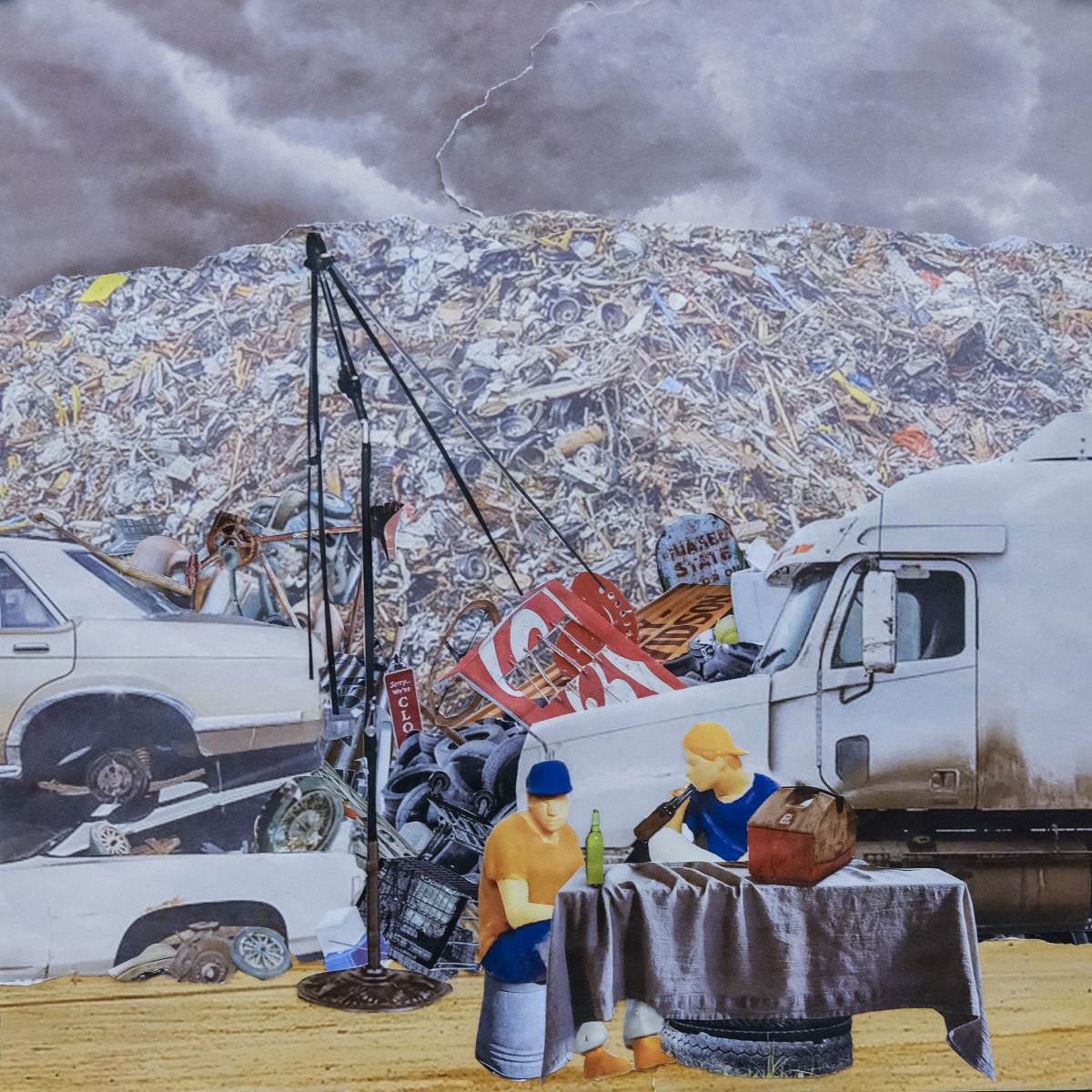
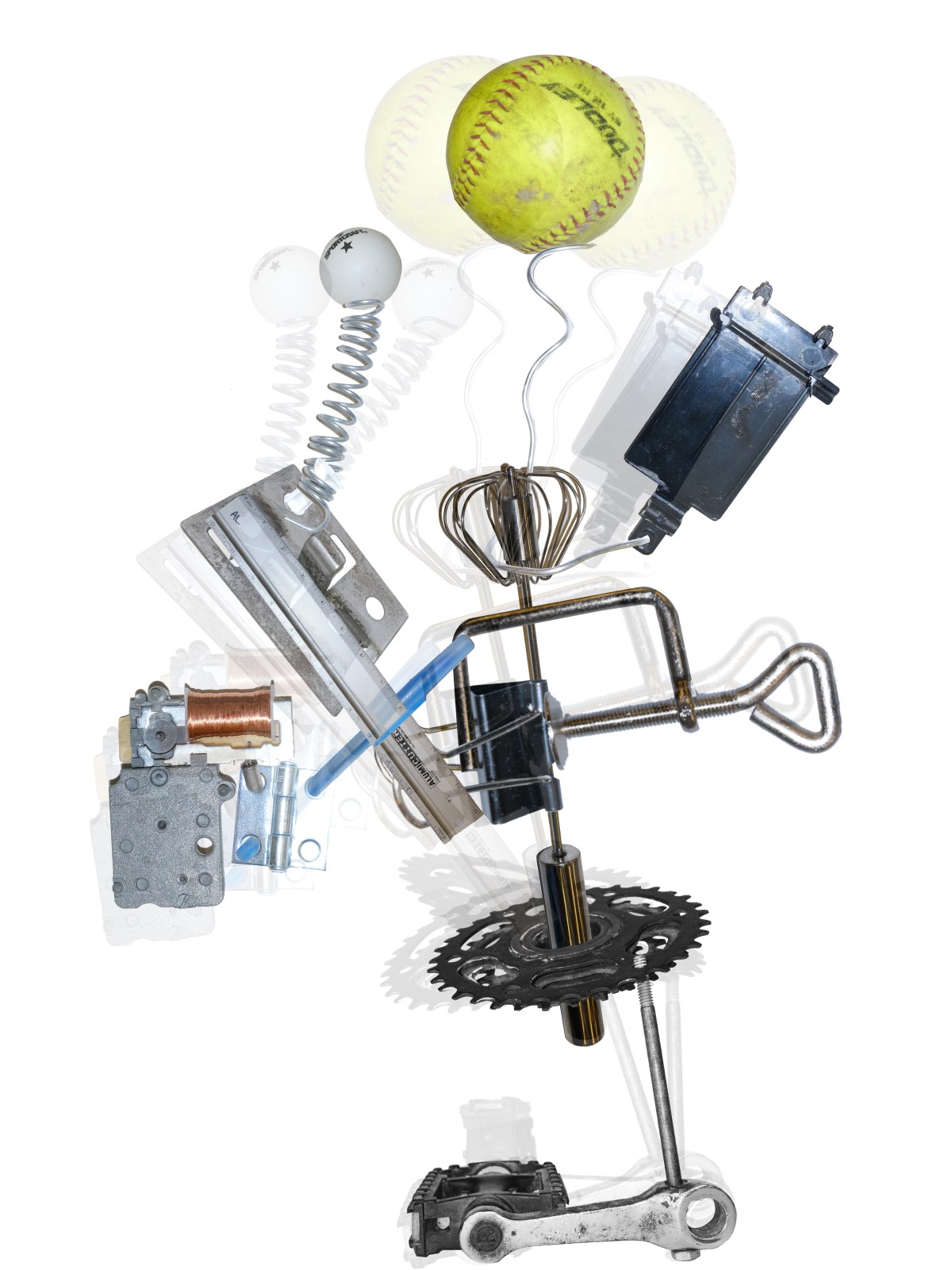
Problem III: Sighting Communal Sites. What is a found object?
This site is situated in Aguadilla, Puerto Rico. It is based on lighthouse ruins, the old Base Ramey, and is next to some of the most popular beaches for surfing. This region in particular is considered data-deficient. Puerto Rico has very few native species, including bats, specifically fruit bats. Although deemed least priority by the IUCN’s endangered list, being one of the island’s few native species, it is important to protect them for the ecosystem. They are vital seed dispersers, pollinators, and pest control, they are one of the most underappreciated animals, with harmful myths and folklore surrounding them. There is a need for research in this area, and a need for education and awareness about bats.
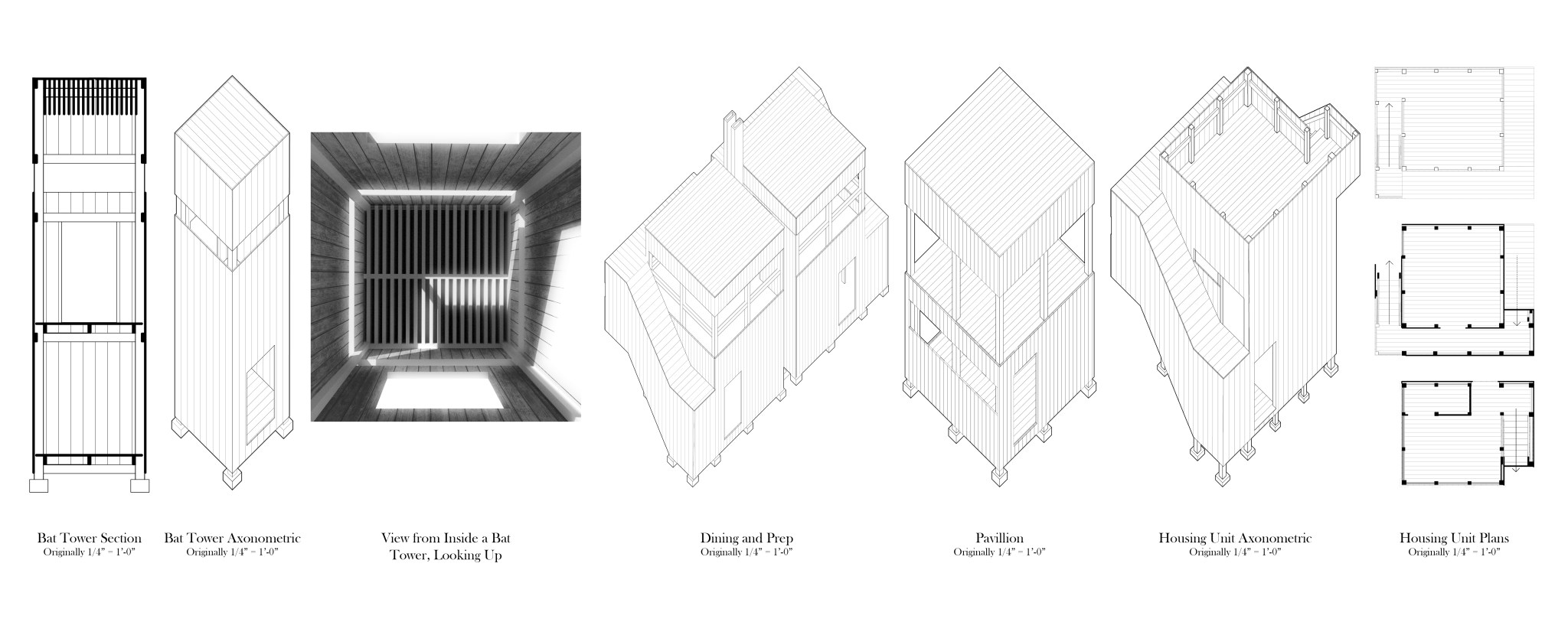
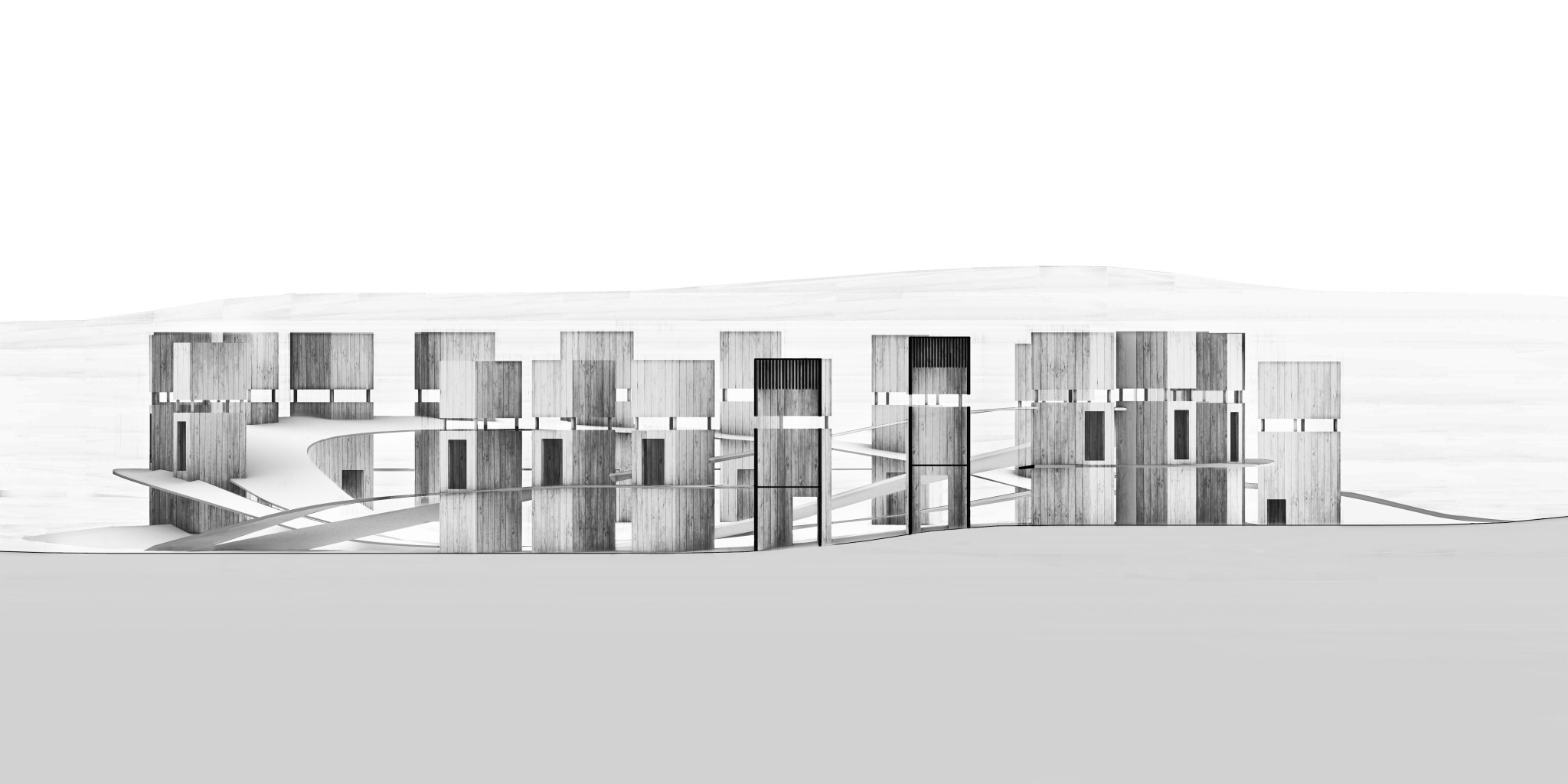
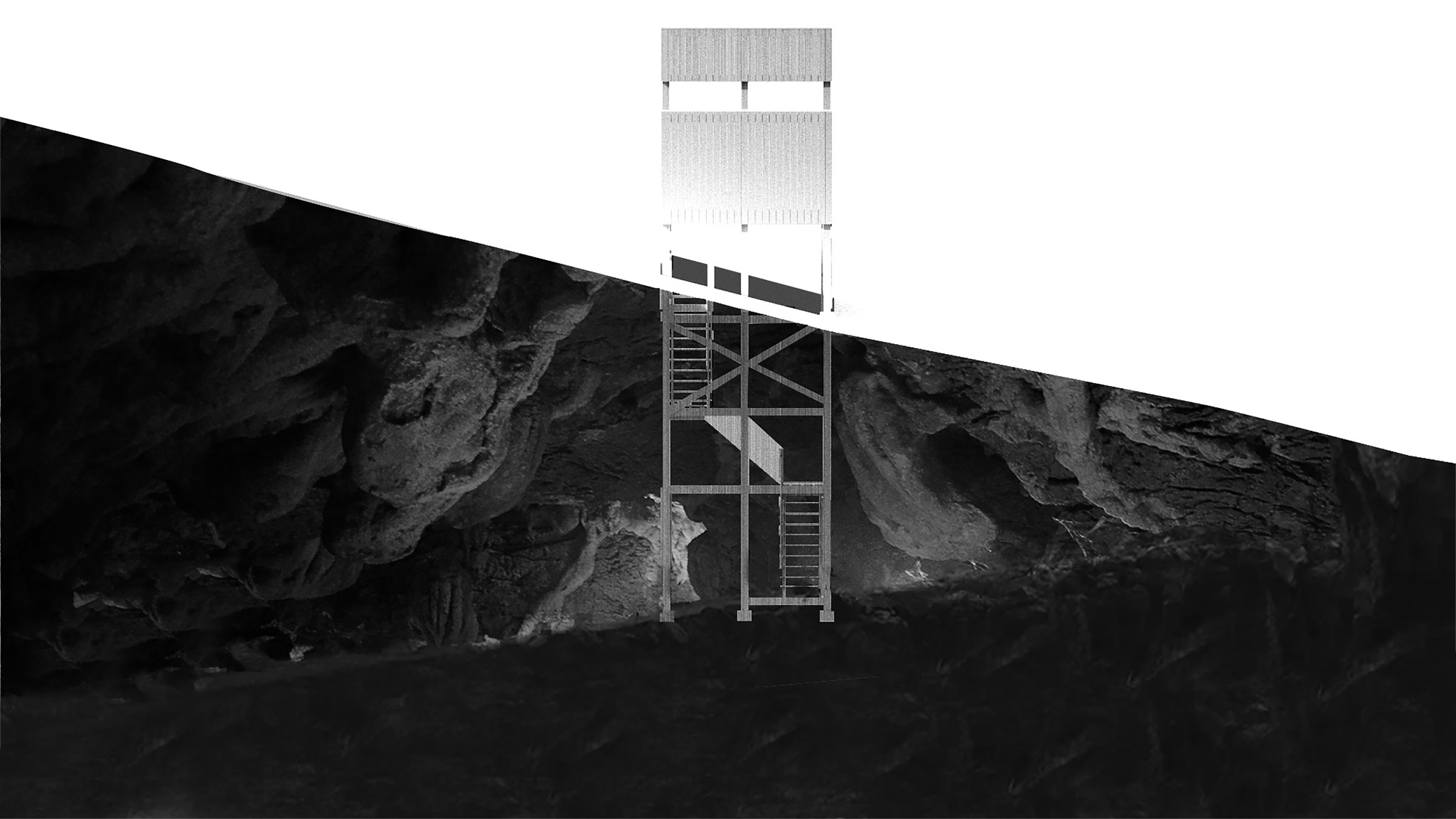
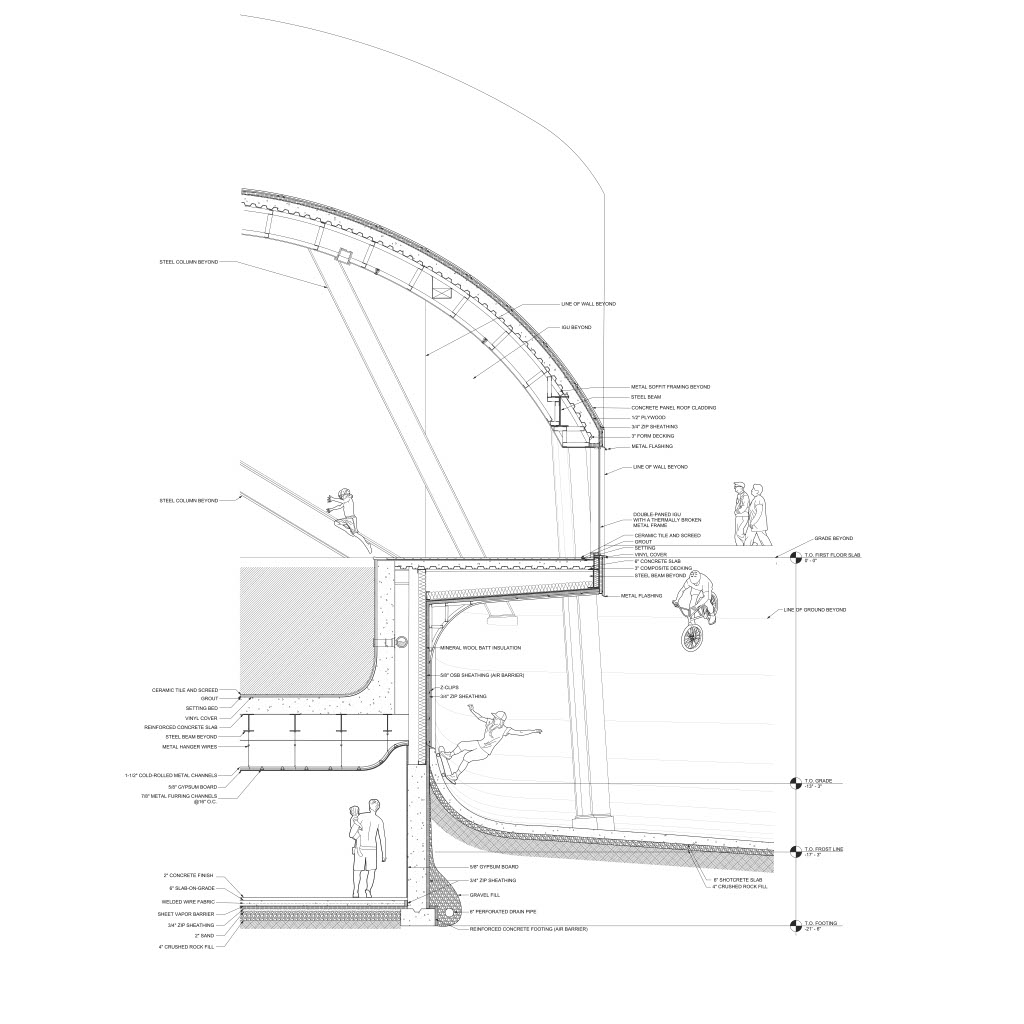
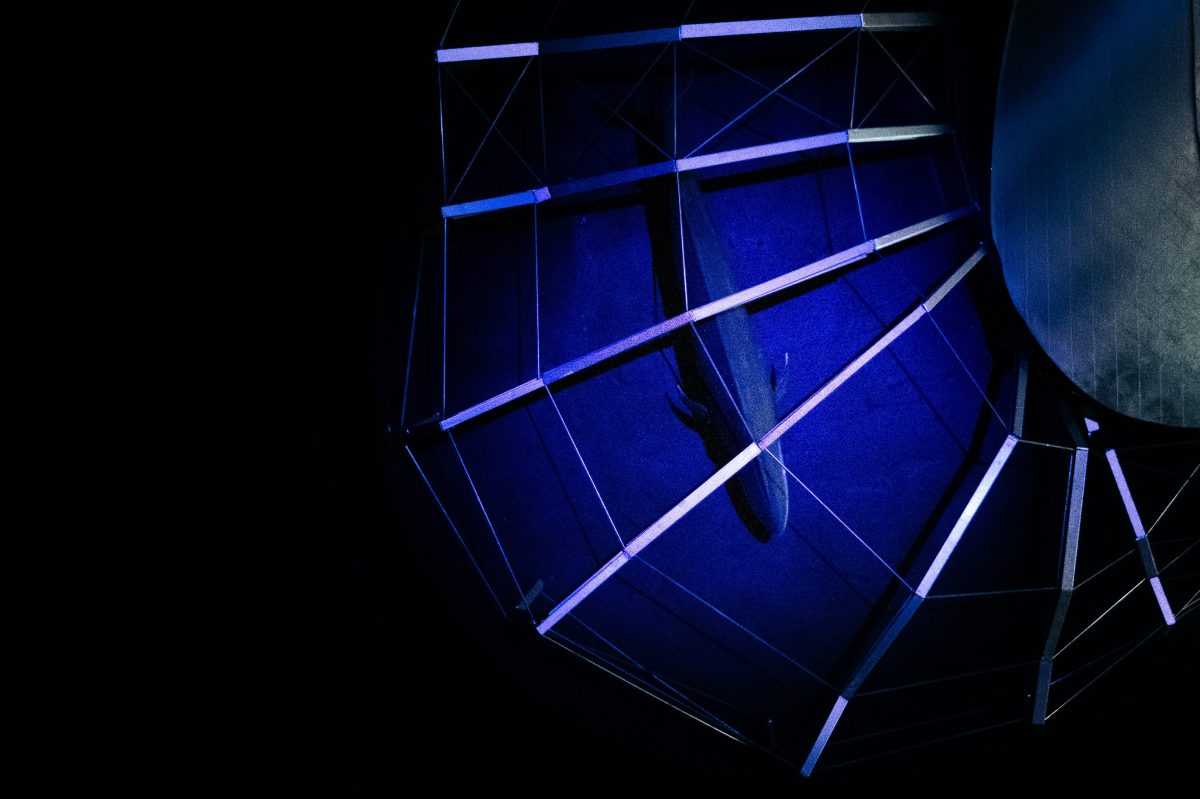
The community’s solution to the need for education, awareness, and research on bats is Cacibajagua, a bat conservatory housing researchers, conservationists, museum workers, and other staff. A family of architecture conceived from the original bat tower, dots through the rainforest along pre-existing pathways and along the tree lines. All buildings are 20 feet tall to mark the original contours of the land. These indices of progress reflect the core value of the community, which can be seen at the top of the hill at the sacred tower. Each year yields more progress to preservation and conservation, in terms of bats, their habitats, and our environment, and can be visually seen and understood through architecture.
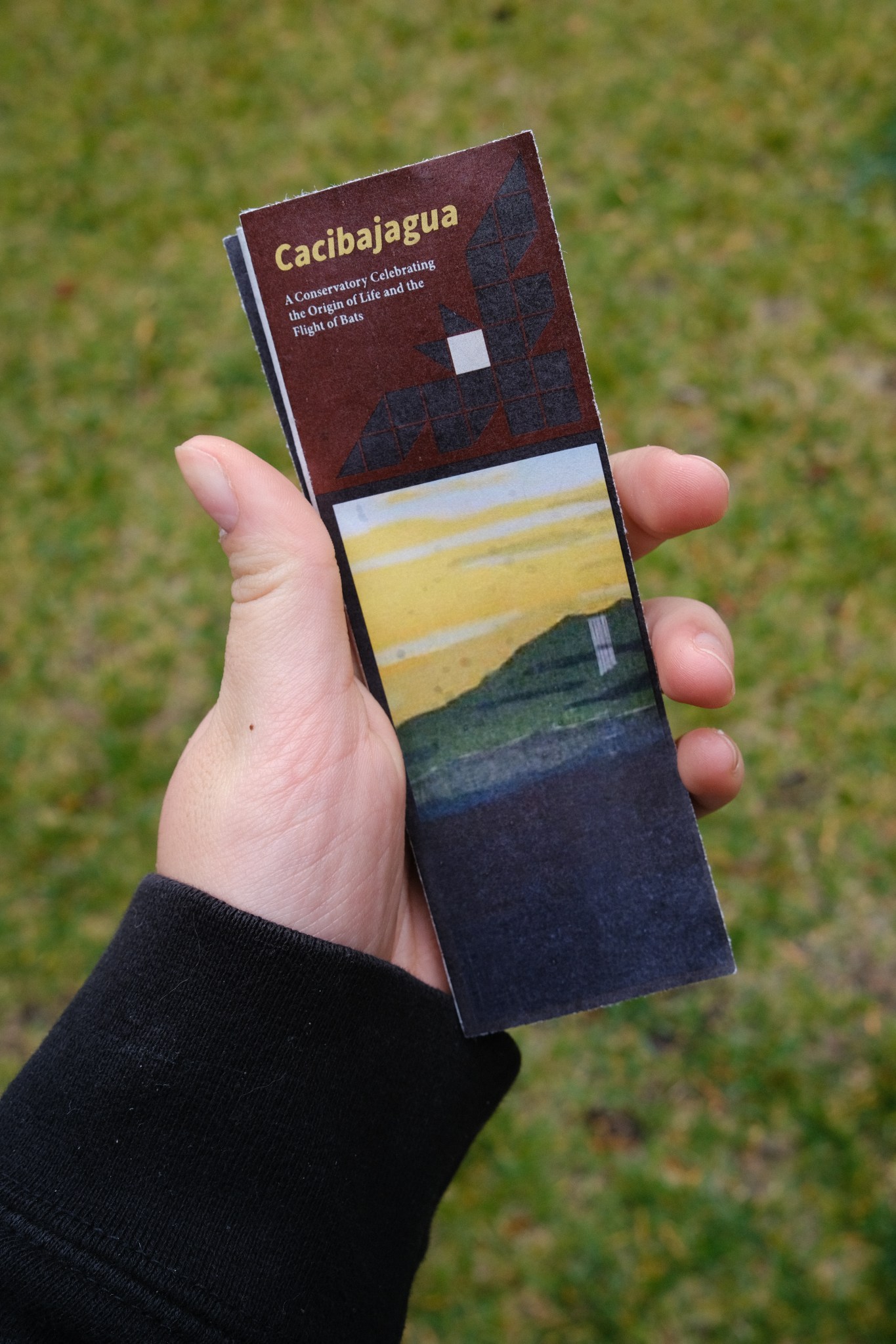
Trail Map Brochure
 Lillian CASAZZA Portfolio